
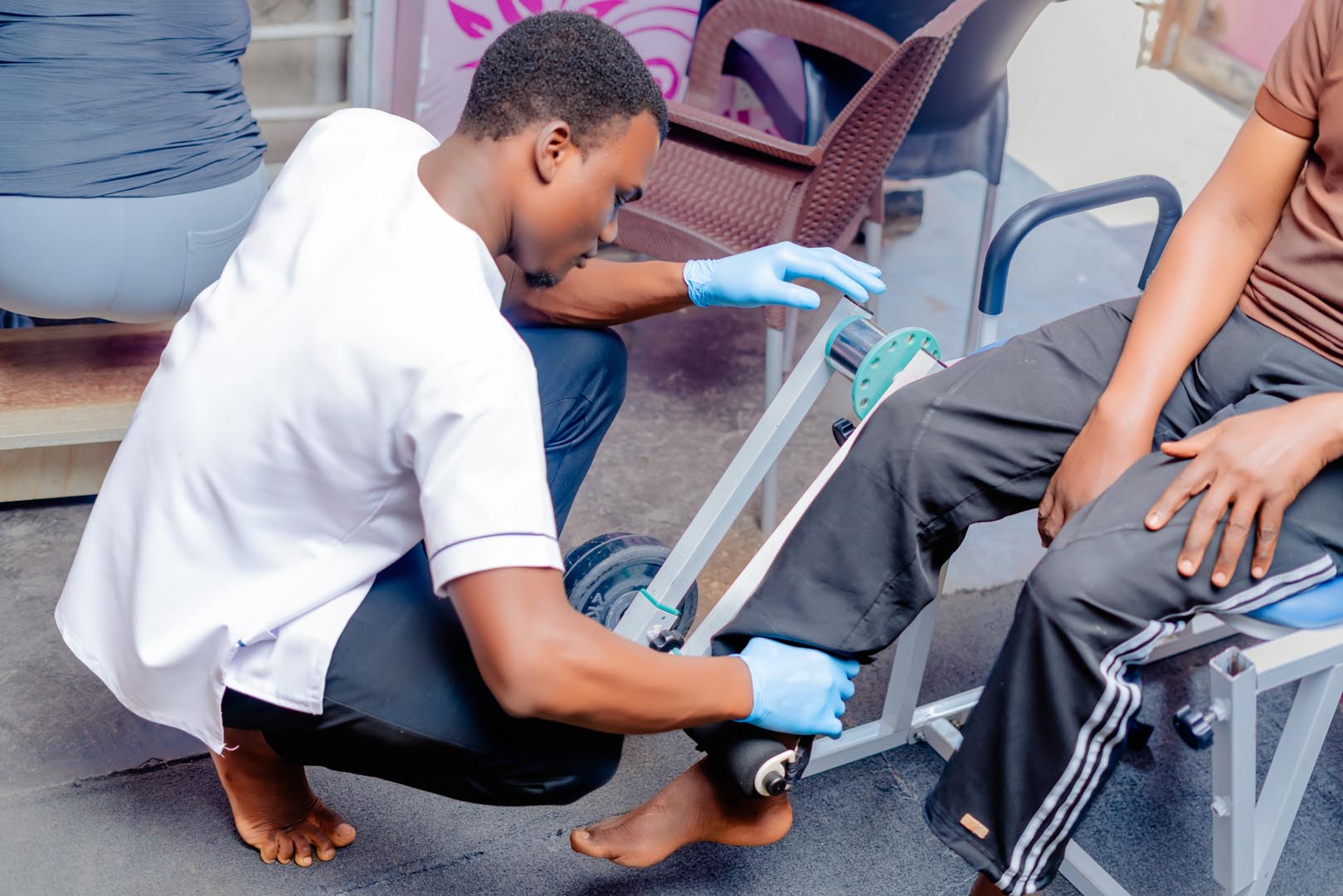
A stroke can change many aspects of a person’s life, from movement and communication to thinking, emotions, and the ability to carry out everyday activities. While the effects of stroke can be challenging, recovery is possible, and rehabilitation plays an important role in helping stroke survivors regain independence and improve their quality of life.
What Is Stroke Rehabilitation?
Stroke rehabilitation is a structured process that helps a person recover abilities affected by a stroke and learn new ways to manage activities that may have become difficult.
Every stroke is different, and every person’s recovery journey is unique. Rehabilitation is therefore tailored to the individual’s abilities, needs, goals, and stage of recovery.
How Can Rehabilitation Help After a Stroke?
A comprehensive rehabilitation programme may help with:
- Movement and mobility – improving strength, balance, coordination, walking, and physical function.
- Daily activities – helping individuals regain independence in activities such as dressing, bathing, eating, and other everyday tasks.
- Communication and swallowing – supporting people experiencing difficulties with speech, language, communication, or swallowing.
- Cognitive function – addressing difficulties with memory, attention, problem-solving, and other thinking skills.
- Emotional and psychosocial wellbeing – supporting adjustment to life after stroke and helping individuals and families cope with changes.
- Community reintegration – helping stroke survivors gradually return to meaningful family, social, and community activities.
Why Start Rehabilitation?
Recovery after stroke can involve gradual improvements over time. Rehabilitation provides structured support, regular assessment, and targeted therapy to help a person work toward meaningful goals.
It is not simply about treating a physical weakness. Effective stroke rehabilitation considers the whole person and focuses on helping the individual achieve as much independence and participation as possible.
Our Comprehensive Approach to Stroke Rehabilitation
At our Stroke Rehabilitation Centre, we provide a multidisciplinary approach that brings together different areas of rehabilitation to address the varied effects of stroke.
Our services include:
Physiotherapy
Focused on movement, strength, balance, mobility, coordination, and physical independence.
Occupational Therapy
Helps individuals regain independence in daily activities and work toward greater participation at home and in the community.
Speech Therapy
Supports communication, speech, language, and swallowing difficulties following stroke.
Cognitive Therapy
Addresses cognitive challenges such as difficulties with attention, memory, problem-solving, and other thinking skills.
Psychosocial Therapy
Provides support for emotional wellbeing, adjustment, relationships, and coping with life after stroke.
We also provide inpatient, subacute, and outpatient rehabilitation, depending on the individual’s needs and stage of recovery.
Recovery Is a Journey
Stroke recovery does not look the same for everyone. Some people may make significant progress quickly, while others may require longer-term rehabilitation and support.
What matters is having the right support, appropriate therapy, realistic goals, and a rehabilitation programme that adapts as the person progresses.
With the right rehabilitation and support, stroke survivors can work toward greater independence and a meaningful life after stroke.
Take the Next Step
If you or someone you care about is recovering from a stroke, professional rehabilitation can help identify areas that need support and create a plan based on individual goals.
Recovery starts with the right support. Let us walk the journey with you.